Mara · Tanzania
Serengeti National Park
Tanzania's flagship safari park and the stage for the great wildebeest migration.
Overview
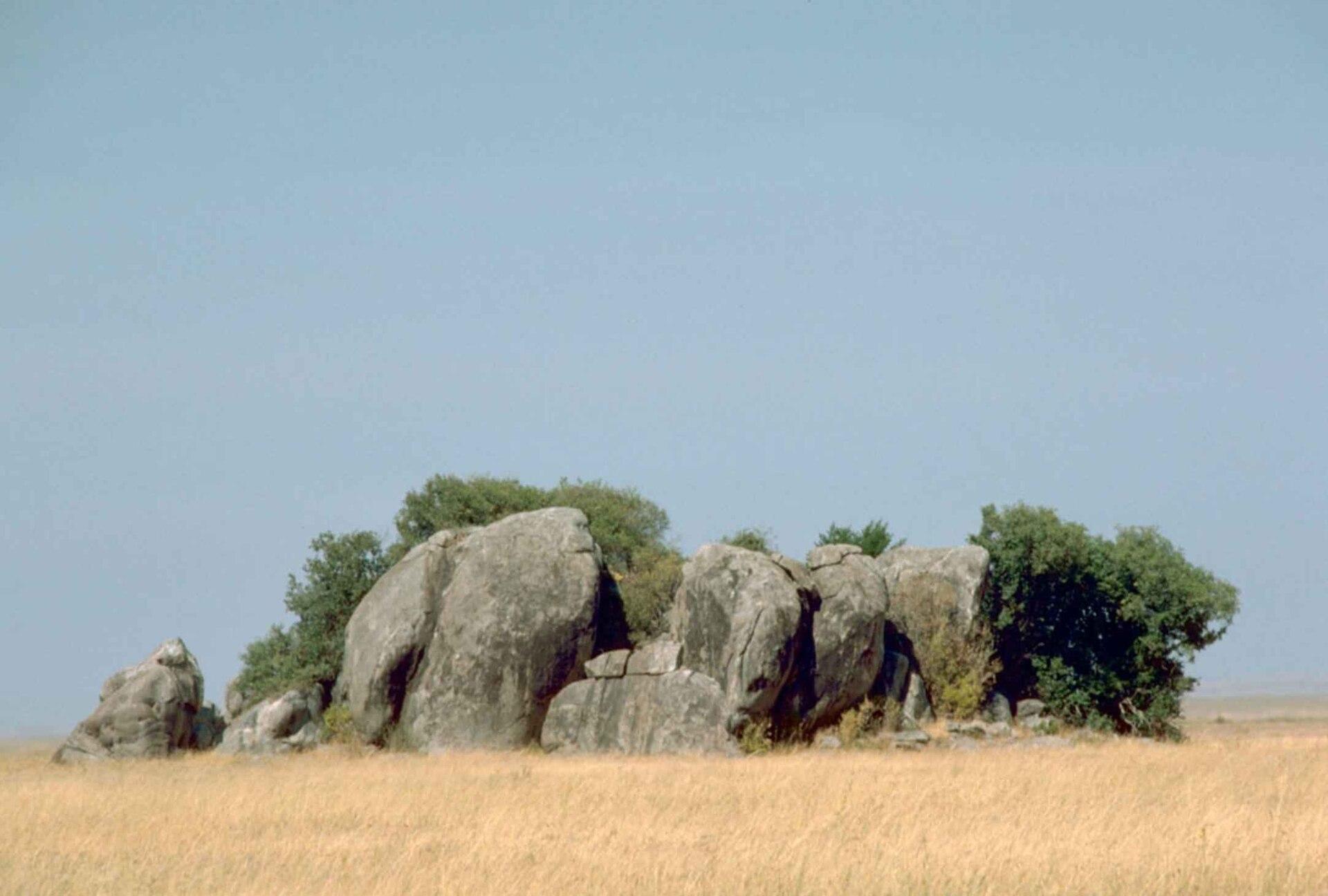
The Serengeti stretches across roughly 14,750 square kilometres of short-grass plain, acacia woodland and granite kopjes in northern Tanzania, running unbroken into Kenya's Masai Mara. It is the oldest and best known of Tanzania's national parks, and for most visitors the draw is the migration: around 1.3 million wildebeest and 250,000 zebra moving in a slow, rain-driven loop between the southern calving grounds and the northern river crossings. Lion, leopard, cheetah, spotted hyena and elephant are all resident in strong numbers, and the Seronera valley at the centre of the park holds one of the densest lion populations anywhere in Africa. The park divides into distinct areas that behave like separate destinations: the southern Ndutu plains, central Seronera, the Western Corridor along the Grumeti river, and the far north around Kogatende and the Mara river. Where you sleep should follow where the herds are in the month you travel.
Browse by category in Serengeti National Park
Photos of Serengeti National Park
Operators serving Serengeti National Park
Mara · Tanzania
Seronera Lodge

Serengeti · Tanzania
Four Seasons Safari Lodge Serengeti
Mara · Tanzania
Glimpse of Africa Tented Camp
Mwanza · Tanzania
KJB CAR ACCESSORIES
Mara · Tanzania
Grumeti Serengeti River Lodge
Trips visiting Serengeti National Park
Things to do in Serengeti National Park
Places and experiences rather than companies. Each one carries the thing you would otherwise find out by turning up.
Mara River crossings
WildlifeThe wildebeest crossing points in the far north, active roughly July to October.
Crossings happen on the herds’ schedule, not yours — plan two or three full days in the north rather than one, and stay north of Kogatende to avoid a four-hour drive at dawn.
5 hours
Seronera Valley
WildlifeThe central river valley, with resident lion, leopard and cheetah year-round.
The one part of the Serengeti that rewards a visit in any month, because the river holds game when the plains empty. It is also the busiest — go at first light.
4 hours
Balloon safari over the plains
ActiveA dawn flight, landing to a breakfast on the grass.
Around US$600 per person and booked out weeks ahead in high season. Take-off is before sunrise, so it only works if you are already sleeping in the park.
4 hoursPaid
Where these are, around Serengeti National Park
60 listings with a mapped location.
Map of 60 listings
- Listed
- Placed from the town
What Serengeti National Park costs
All-in on the ground, per person per day, excluding international flights. Ranges rather than a single figure, because accommodation and group size move the total more than anything else.
| Style | Per person, per day |
|---|---|
| Camping or budget lodge, shared vehicle | $180 – $250 |
| Mid-range lodge | $250 – $450 |
| Luxury camp, private vehicle | $700 – $1,500 |
Of that, $100 – $170 a day is government fees set by TANAPA. Every operator pays the same, so a quote below this floor is not a better deal — it is a different trip.
Add this to a whole-trip estimate
Indicative figures checked for 2026. Park fees are revised annually and some are quoted before VAT — confirm current rates with your operator or the park authority before you book.
When to visit Serengeti National Park
Month by month: wildlife, weather and how busy it gets.
October
Dry season — good roads, thinner bush, animals gathering at water.
- Wildlife
- Wildlife: 4 / 5
- Weather
- Weather: 4 / 5
- Crowds
- Crowds: 3 / 5
- Rainfall
- 40 mm
- Temperature
- 15–28 °C
Show all twelve monthsHide the full table
| Best time to visit | Wildlife | Weather | Crowds | Rainfall | Temperature |
|---|---|---|---|---|---|
| JanuaryCalving season begins on the southern plains. | Wildlife: 5 / 5 | Weather: 4 / 5 | Crowds: 3 / 5 | 60 mm | 15–28 °C |
| FebruaryPeak seasonPeak calving — predator action at its best. | Wildlife: 5 / 5 | Weather: 4 / 5 | Crowds: 4 / 5 | 55 mm | 15–28 °C |
| MarchWet month — expect rain most days, and lush, difficult country. | Wildlife: 4 / 5 | Weather: 3 / 5 | Crowds: 2 / 5 | 110 mm | 15–27 °C |
| AprilLong rains — lowest prices. | Wildlife: 3 / 5 | Weather: 2 / 5 | Crowds: 1 / 5 | 200 mm | 15–26 °C |
| MayRains ease late in the month; the herds move north. | Wildlife: 3 / 5 | Weather: 2 / 5 | Crowds: 1 / 5 | 150 mm | 14–26 °C |
| JuneThe rut, and the first Grumeti crossings. | Wildlife: 4 / 5 | Weather: 5 / 5 | Crowds: 3 / 5 | 30 mm | 13–26 °C |
| JulyPeak seasonGrumeti and Mara river crossings begin. | Wildlife: 5 / 5 | Weather: 5 / 5 | Crowds: 5 / 5 | 10 mm | 13–25 °C |
| AugustPeak seasonMara crossings in the north — book far ahead. | Wildlife: 5 / 5 | Weather: 5 / 5 | Crowds: 5 / 5 | 10 mm | 13–25 °C |
| SeptemberPeak seasonCrossings continue; the far north is the place to be. | Wildlife: 5 / 5 | Weather: 5 / 5 | Crowds: 4 / 5 | 15 mm | 14–27 °C |
| OctoberDry season — good roads, thinner bush, animals gathering at water. | Wildlife: 4 / 5 | Weather: 4 / 5 | Crowds: 3 / 5 | 40 mm | 15–28 °C |
| NovemberShort rains; the herds start back south. | Wildlife: 4 / 5 | Weather: 3 / 5 | Crowds: 2 / 5 | 105 mm | 15–27 °C |
| DecemberShort rains — brief afternoon storms, green landscapes, fewer visitors. | Wildlife: 5 / 5 | Weather: 4 / 5 | Crowds: 4 / 5 | 90 mm | 15–28 °C |
Quieter alternatives to Serengeti National Park
Serengeti National Park is on nearly every itinerary, which is both why it is good and why it is busy. These are the places travellers choose when they want the same thing with fewer vehicles — each with what it costs you to go there instead.
Ruaha National Park
Tanzania’s largest park, with one of the biggest lion populations left in Africa and a fraction of the vehicles. On a good morning in Ruaha you will watch a pride without another car in sight — something the Seronera valley cannot offer in any month.
The trade-off: The southern circuit is a flight from Dar or a long day on the road, and there is no migration and no crater to pair it with. Lodges are few and several close in the long rains, so a three-day northern itinerary does not simply transplant here.
Plan a trip to Ruaha National ParkNyerere National Park
The Rufiji river makes this the one major Tanzanian park where you can swap the vehicle for a boat, or walk with an armed ranger. Seeing elephant from water level is a different trip, not a cheaper version of the same one.
The trade-off: Hot and humid in a way the northern highlands are not, and much of it turns to mud in the long rains. Game is spread thinly compared with the Serengeti, so a two-night visit here can genuinely be a quiet one.
Plan a trip to Nyerere National Park