Safari with children: age limits, malaria and the right parks
Some camps take nobody under twelve. Gorilla trekking is closed under fifteen. And the long drives are the real obstacle — not the animals.
On this page
Short version: a safari with children works well if you keep driving time short and choose parks accordingly. The obstacle is not the animals, and rarely the accommodation. It is six hours on a corrugated track with a six-year-old.
Hard age limits
Some of this is not negotiable:
- Gorilla and chimpanzee trekking: 15 and over. This applies in Uganda and Rwanda without exception. A family with younger children cannot visit gorillas, and that has to be clear before the trip is planned, not after.
- Many camps set a minimum age, commonly 6, 8 or 12. Unfenced camps in wilderness areas tend to be strictest, for good reason.
- Balloon flights usually require a minimum height rather than an age — in practice from about seven.
- Kilimanjaro has a formal minimum of 10. Whether that is wise is another question.
Settle this before booking. A camp turning your child away at reception is a ruined holiday.
Malaria is the more serious question with children
Malaria is more severe and faster-moving in small children. Prophylaxis options are more limited, dosing is by weight, and some drugs are not licensed below an age threshold.
That belongs in a travel health consultation, early — not two weeks before departure. With very small children the answer may be to postpone the trip by a few years or choose a lower-risk area.
Altitude lowers the risk considerably. The Ngorongoro crater, the highlands and Nairobi sit better than the coast or the low-lying parks.
Parks that work with children
Ngorongoro Crater (Tanzania). Probably the best family park in East Africa. Everything sits inside one manageable bowl, the drive down from the rim is short, and the density of animals is high enough that there are no long stretches without a sighting. The altitude means lower malaria risk.
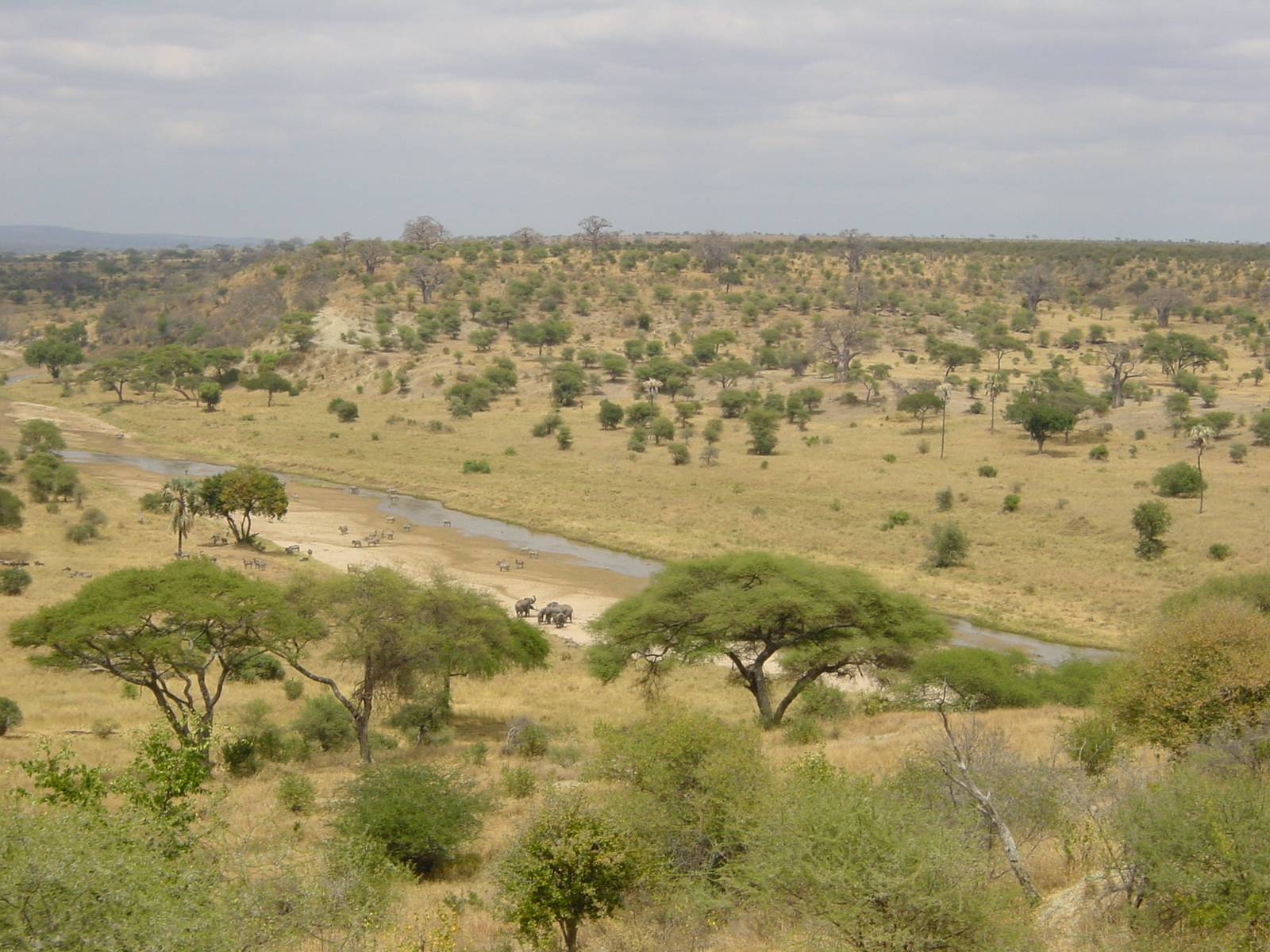
Tarangire (Tanzania). Elephant herds, enormous baobabs, short distances. Elephants work better with children than any other animal — they are big, close, and doing something.
Lake Manyara (Tanzania). Small, drivable in half a day, good as a stop between others.
Nairobi National Park (Kenya). On the edge of the city, half a day is enough, and the neighbouring Giraffe Centre and elephant orphanage are often the highlight of the entire trip for children.
Lake Nakuru (Kenya). Compact, fenced, very reliable rhino sightings.
What to avoid
The northern Serengeti on a short trip. From Seronera to the river crossings is four hours — each way, on bad track.
Tanzania's southern parks (Ruaha, Nyerere) on a first trip with children. Superb, but remote, with long approaches.
Packed itineraries that move every day. Two nights per camp is the minimum, three is better.
What experience teaches
- A private vehicle rather than a group tour. The surcharge is the single biggest lever: you can cut a drive short when a child has had enough, and your own driver is usually remarkably patient with children.
- Morning drive, afternoon at the pool. Full-day game drives do not work with children.
- One pair of binoculars per child. It sounds like a detail. It changes their attention completely.
- No fighting over window seats. Book a vehicle with enough seats that everyone has a window.
- Family tents or connecting rooms — ask early. Every camp has only a few.
The right age
From about six to eight it becomes markedly easier: children remember it, last a game drive, and understand why they have to stay in the vehicle.
Under four it is mostly a holiday for the parents, with considerable effort attached.
From fifteen, gorilla trekking opens up — for families with teenagers that is often the reason the trip is planned this way at all.
Age limits at individual camps and operators vary; the limits for gorilla trekking and national parks are set by the authorities. Ask every property before you book.