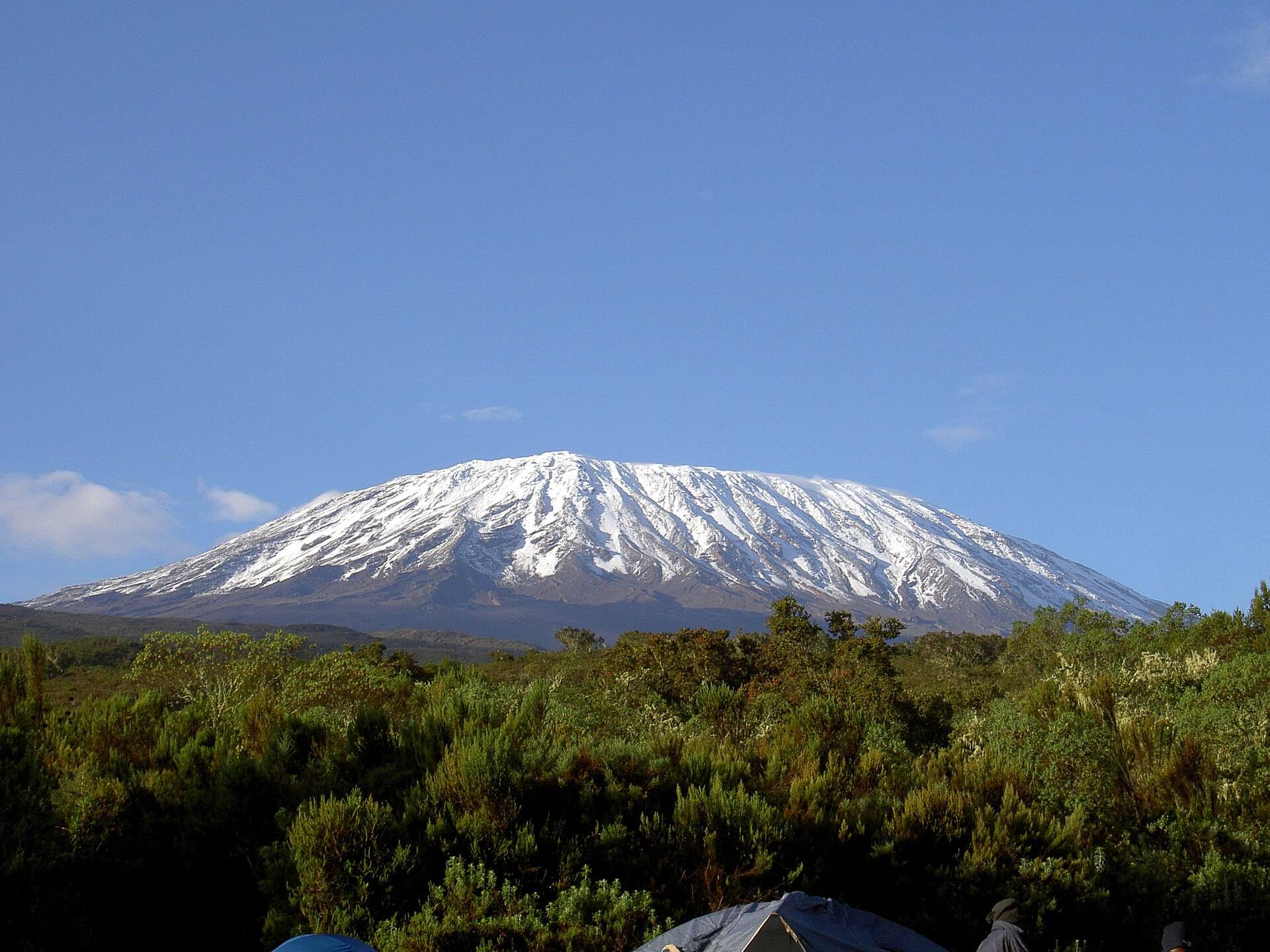
Kilimanjaro: training around a full-time job
Your chance of reaching the summit depends more on how many days you spend on the mountain than on how fit you are. What realistic training has to deliver — and what it cannot.
On this page
Short version: the decisive choice is the length of the route, not the size of your training plan. Eight days instead of six raises your summit chance far more than any fitness programme will. Train anyway — but train the right thing: long and slow, not fast.
Why days matter more than fitness
Altitude sickness is why people turn back, not lack of strength. It hits fit people just as hard — sometimes harder, because fit people climb faster and deny their bodies the time to adapt.
Roughly, and not disputed in the industry:
| Route length | Summit rate |
|---|---|
| 5 days (Marangu) | under 50% |
| 6 days | around 65% |
| 7 days | around 80% |
| 8 days (Lemosho, Northern Circuit) | 85 – 90% |
Two extra days cost a few hundred dollars. An abandoned climb costs the whole trip.
What realistic training has to deliver
You do not need mountaineering fitness. You need the ability to walk five to seven hours a day, several days running, and then on summit day, after four hours of sleep, climb for another six to eight.
What fits around a full-time job, over about three months:
- One long walk a week. Four to six hours, carrying the pack you will actually bring. This is the session that cannot be substituted.
- Two or three cardio sessions of 45 to 60 minutes. Running, cycling, cross-trainer — regularity is the point.
- Stairs. Uphill is the movement; a stairwell or a stepper models it better than any treadmill.
- A little core and leg strength, twice a week, briefly.
What does not help: interval work for speed. On the mountain you walk more slowly than you believe is possible. "Pole pole" is not a slogan, it is the technique.
If you live nowhere near a mountain
Most people who climb Kilimanjaro live somewhere flat. It is not a disqualification.
- Duration substitutes for ascent. Six hours on the flat with a pack prepares you better than one hour of steep.
- A weekend in hills or mountains before you travel is worth it, mostly for testing boots and kit.
- Altitude training at home has no demonstrable benefit. Adaptation happens on the mountain, which is what the extra days are for.
What to discuss with a doctor
Separately from the malaria and vaccination conversation:
- Altitude medication — whether it makes sense for you depends on route, duration and history.
- Pre-existing conditions, particularly heart, lungs and blood pressure.
- Interactions with the malaria prophylaxis you will be taking anyway.
- How to recognise symptoms, and why descending is the only reliable treatment.
Kit that changes the outcome
- Broken-in boots. New boots on the mountain are the second most common reason for turning back, after altitude.
- Layers, not one thick jacket. Summit day runs from about −10 °C back up to +25 °C.
- Gloves and a warm hat. The summit night is the coldest part.
- Poles. The descent punishes knees more than the climb does.
Much of this can be hired in Moshi or Arusha — except the boots.
And the crew
A climb carries ten to fifteen people. Ask your operator about wages, load limits and the crew's own equipment. Operators who follow the Kilimanjaro Porters Assistance Project will tell you openly — and one who dodges the question is saving that money somewhere.
Success rates are industry guide figures and vary between operators and seasons. Medical decisions belong with a travel health professional.