Watamu and Malindi
Three sheltered bays, Kenya's oldest marine park, and the ruined Swahili city of Gede in the forest behind.
Overview
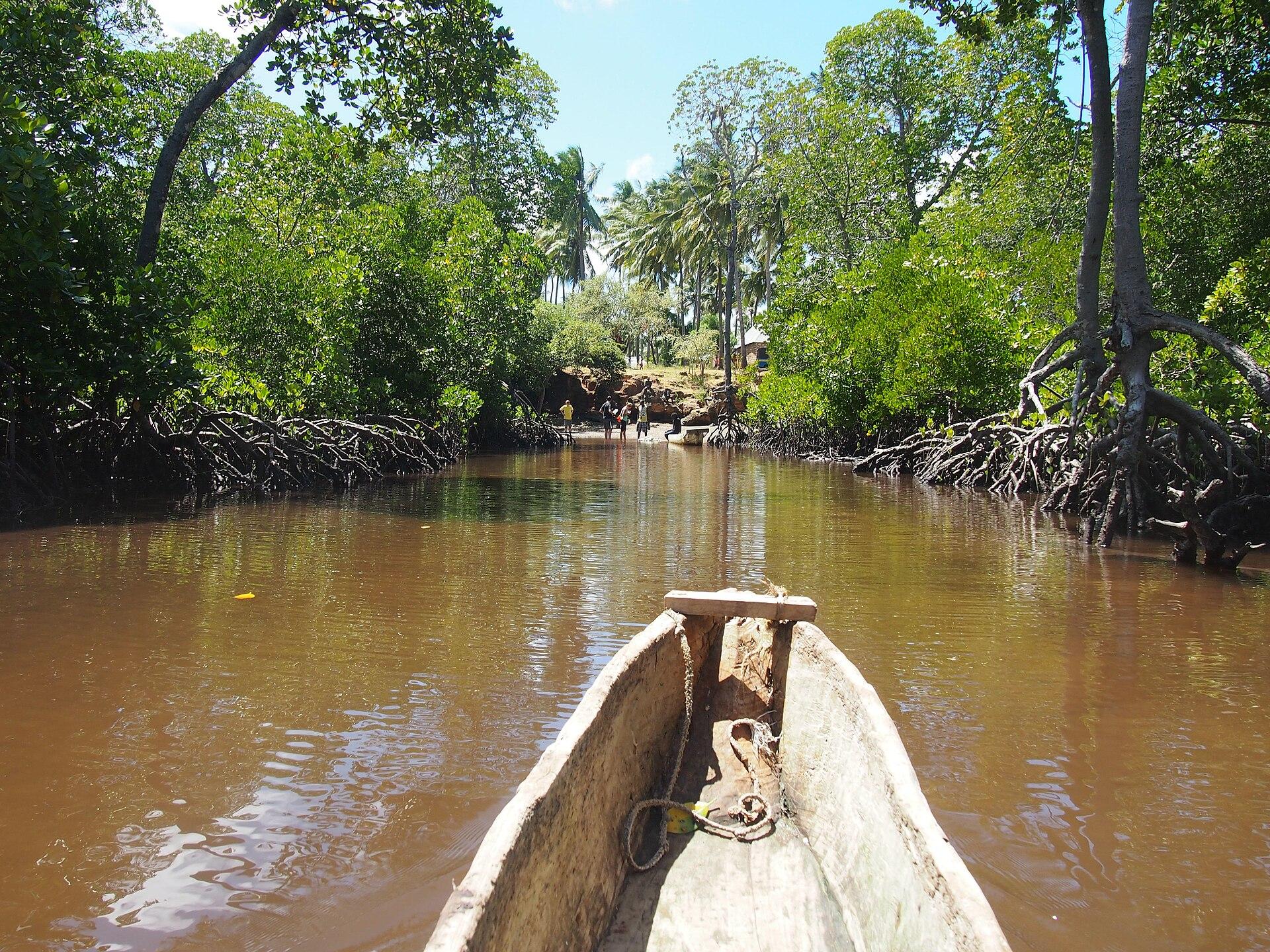
Watamu sits on a stretch of coast where the reef comes close inshore and breaks the sea into three shallow, turquoise bays that are calm enough to swim at almost any tide. Watamu Marine National Park, gazetted in 1968, was one of the first in Africa, and the coral gardens, turtle nesting beaches and the Mida Creek mangrove system behind the village make this the most rewarding piece of coast in Kenya for anyone who cares about what is in the water. Local Ocean Conservation runs a well-regarded turtle rehabilitation centre in the village. Inland, Arabuko-Sokoke is the largest surviving coastal forest in East Africa and holds six globally threatened bird species, and the Gede ruins - a Swahili town of coral-stone houses, mosques and a palace, abandoned in the seventeenth century and swallowed by forest - are one of the most atmospheric historic sites on the coast. Malindi, 20 minutes north, is a bigger, older resort town with a strong Italian presence and its own marine park.
Browse by category in Watamu and Malindi
Photos of Watamu and Malindi
What Watamu and Malindi costs
All-in on the ground, per person per day, excluding international flights. Ranges rather than a single figure, because accommodation and group size move the total more than anything else.
| Style | Per person, per day |
|---|---|
| Camping or budget lodge, shared vehicle | $55 – $100 |
| Mid-range lodge | $100 – $240 |
| Luxury camp, private vehicle | $270 – $650 |
Of that, $17 – $25 a day is government fees set by Kenya Wildlife Service. Every operator pays the same, so a quote below this floor is not a better deal — it is a different trip.
Add this to a whole-trip estimate
Indicative figures checked for 2026. Park fees are revised annually and some are quoted before VAT — confirm current rates with your operator or the park authority before you book.
When to visit Watamu and Malindi
Month by month: wildlife, weather and how busy it gets.
October
Short rains — brief afternoon storms, green landscapes, fewer visitors.
- Wildlife
- Wildlife: 4 / 5
- Weather
- Weather: 4 / 5
- Crowds
- Crowds: 3 / 5
- Rainfall
- 90 mm
- Temperature
- 23–31 °C
Show all twelve monthsHide the full table
| Best time to visit | Wildlife | Weather | Crowds | Rainfall | Temperature |
|---|---|---|---|---|---|
| JanuaryPeak seasonPeak dry season — the best game viewing and the highest prices. | Wildlife: 4 / 5 | Weather: 5 / 5 | Crowds: 4 / 5 | 25 mm | 24–32 °C |
| FebruaryTurtle nesting season on the marine park beaches. | Wildlife: 4 / 5 | Weather: 5 / 5 | Crowds: 4 / 5 | 20 mm | 24–33 °C |
| MarchShort rains — brief afternoon storms, green landscapes, fewer visitors. | Wildlife: 4 / 5 | Weather: 4 / 5 | Crowds: 3 / 5 | 60 mm | 25–33 °C |
| AprilLong rains — some tracks impassable and some camps closed. Lowest prices. | Wildlife: 3 / 5 | Weather: 2 / 5 | Crowds: 2 / 5 | 190 mm | 24–32 °C |
| MayLong rains — some tracks impassable and some camps closed. Lowest prices. | Wildlife: 2 / 5 | Weather: 1 / 5 | Crowds: 1 / 5 | 290 mm | 23–30 °C |
| JuneWet month — expect rain most days, and lush, difficult country. | Wildlife: 3 / 5 | Weather: 3 / 5 | Crowds: 2 / 5 | 110 mm | 22–29 °C |
| JulyShort rains — brief afternoon storms, green landscapes, fewer visitors. | Wildlife: 3 / 5 | Weather: 4 / 5 | Crowds: 3 / 5 | 80 mm | 21–29 °C |
| AugustShort rains — brief afternoon storms, green landscapes, fewer visitors. | Wildlife: 4 / 5 | Weather: 4 / 5 | Crowds: 4 / 5 | 70 mm | 21–29 °C |
| SeptemberShort rains — brief afternoon storms, green landscapes, fewer visitors. | Wildlife: 4 / 5 | Weather: 4 / 5 | Crowds: 3 / 5 | 70 mm | 22–30 °C |
| OctoberShort rains — brief afternoon storms, green landscapes, fewer visitors. | Wildlife: 4 / 5 | Weather: 4 / 5 | Crowds: 3 / 5 | 90 mm | 23–31 °C |
| NovemberWet month — expect rain most days, and lush, difficult country. | Wildlife: 3 / 5 | Weather: 3 / 5 | Crowds: 3 / 5 | 120 mm | 24–32 °C |
| DecemberPeak seasonShort rains — brief afternoon storms, green landscapes, fewer visitors. | Wildlife: 4 / 5 | Weather: 4 / 5 | Crowds: 4 / 5 | 80 mm | 24–32 °C |