Mwanza · Tanzania
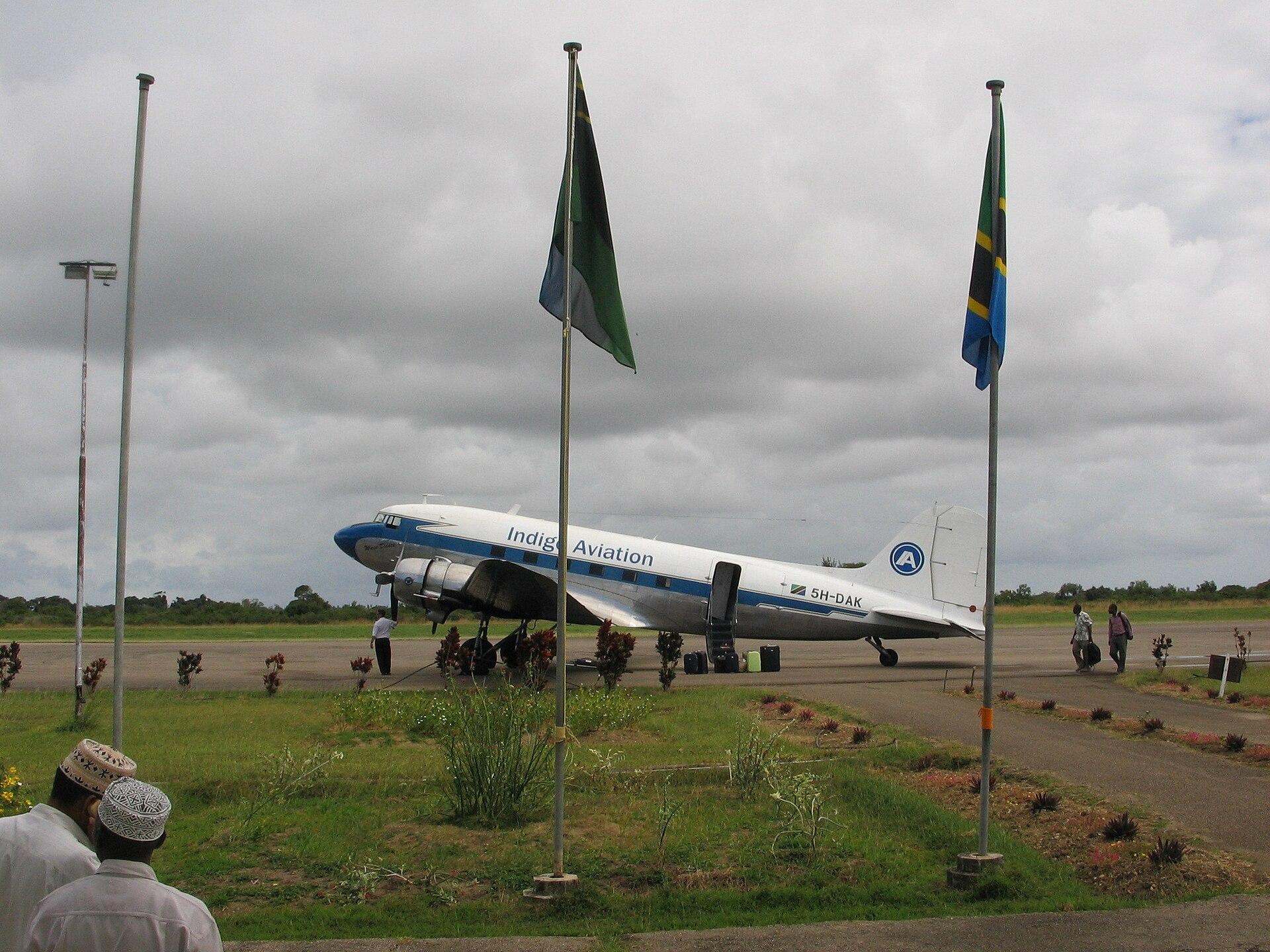
Pemba Island
Zanzibar's green, hilly northern sister - clove plantations, wall diving and very few visitors.
Overview
Pemba lies 50 kilometres north of Unguja and receives a tiny fraction of its visitors, which is the whole point. It is hillier, greener and far more agricultural than Zanzibar: the island produces most of Tanzania's cloves, and the smell of them drying on mats is the first thing you notice. There is no equivalent of Stone Town, and the beaches are smaller and often backed by mangrove rather than open sand. What draws people is the diving. The Pemba channel drops to over 800 metres just offshore, giving steep walls, strong drift dives and visibility that regularly exceeds 30 metres - Misali Island in particular is one of the best-preserved reefs in East Africa. On land there is the Ngezi forest reserve with the endemic Pemba flying fox, the Ras Mkumbuu ruins, and a culture of traditional healers and bullfighting inherited from Portuguese contact. Infrastructure is thin, roads are slow, and that is the trade.
Browse by category in Pemba Island
Photos of Pemba Island
Operators serving Pemba Island
Mwanza · Tanzania
Igoma

Mwanza · Tanzania
Nyanza Rock Expedition Tours
Pemba North · Tanzania
Mpapindi Holiday & Diving
Pemba North · Tanzania
Pemba Paradise
Pemba South · Tanzania
Pemba Sea View Hotel
Where these are, around Pemba Island
60 listings with a mapped location.
Map of 60 listings
- Listed
What Pemba Island costs
All-in on the ground, per person per day, excluding international flights. Ranges rather than a single figure, because accommodation and group size move the total more than anything else.
| Style | Per person, per day |
|---|---|
| Camping or budget lodge, shared vehicle | $70 – $120 |
| Mid-range lodge | $120 – $300 |
| Luxury camp, private vehicle | $320 – $800 |
Add this to a whole-trip estimate
Indicative figures checked for 2026. Park fees are revised annually and some are quoted before VAT — confirm current rates with your operator or the park authority before you book.
When to visit Pemba Island
Month by month: wildlife, weather and how busy it gets.
October
Short rains — brief afternoon storms, green landscapes, fewer visitors.
- Wildlife
- Wildlife: 4 / 5
- Weather
- Weather: 4 / 5
- Crowds
- Crowds: 2 / 5
- Rainfall
- 90 mm
- Temperature
- 23–31 °C
Show all twelve monthsHide the full table
| Best time to visit | Wildlife | Weather | Crowds | Rainfall | Temperature |
|---|---|---|---|---|---|
| JanuaryShort rains — brief afternoon storms, green landscapes, fewer visitors. | Wildlife: 4 / 5 | Weather: 4 / 5 | Crowds: 2 / 5 | 70 mm | 24–32 °C |
| FebruaryShort rains — brief afternoon storms, green landscapes, fewer visitors. | Wildlife: 4 / 5 | Weather: 4 / 5 | Crowds: 2 / 5 | 60 mm | 24–33 °C |
| MarchWet month — expect rain most days, and lush, difficult country. | Wildlife: 3 / 5 | Weather: 3 / 5 | Crowds: 1 / 5 | 140 mm | 24–32 °C |
| AprilLong rains — some tracks impassable and some camps closed. Lowest prices. | Wildlife: 2 / 5 | Weather: 1 / 5 | Crowds: 1 / 5 | 320 mm | 23–31 °C |
| MayLong rains — some tracks impassable and some camps closed. Lowest prices. | Wildlife: 2 / 5 | Weather: 2 / 5 | Crowds: 1 / 5 | 240 mm | 22–30 °C |
| JuneDry season — good roads, thinner bush, animals gathering at water. | Wildlife: 3 / 5 | Weather: 4 / 5 | Crowds: 2 / 5 | 50 mm | 21–29 °C |
| JulyPeak seasonPeak dry season — the best game viewing and the highest prices. | Wildlife: 4 / 5 | Weather: 5 / 5 | Crowds: 3 / 5 | 40 mm | 21–29 °C |
| AugustPeak seasonPeak dry season — the best game viewing and the highest prices. | Wildlife: 5 / 5 | Weather: 5 / 5 | Crowds: 3 / 5 | 45 mm | 21–29 °C |
| SeptemberBest underwater visibility of the year on the wall dives. | Wildlife: 5 / 5 | Weather: 5 / 5 | Crowds: 2 / 5 | 50 mm | 22–30 °C |
| OctoberShort rains — brief afternoon storms, green landscapes, fewer visitors. | Wildlife: 4 / 5 | Weather: 4 / 5 | Crowds: 2 / 5 | 90 mm | 23–31 °C |
| NovemberLong rains — some tracks impassable and some camps closed. Lowest prices. | Wildlife: 3 / 5 | Weather: 2 / 5 | Crowds: 1 / 5 | 200 mm | 24–32 °C |
| DecemberWet month — expect rain most days, and lush, difficult country. | Wildlife: 4 / 5 | Weather: 3 / 5 | Crowds: 2 / 5 | 140 mm | 24–32 °C |