Skip to content

Maasai Mara

Kenya's most famous reserve, and the northern end of the wildebeest migration.

Overview

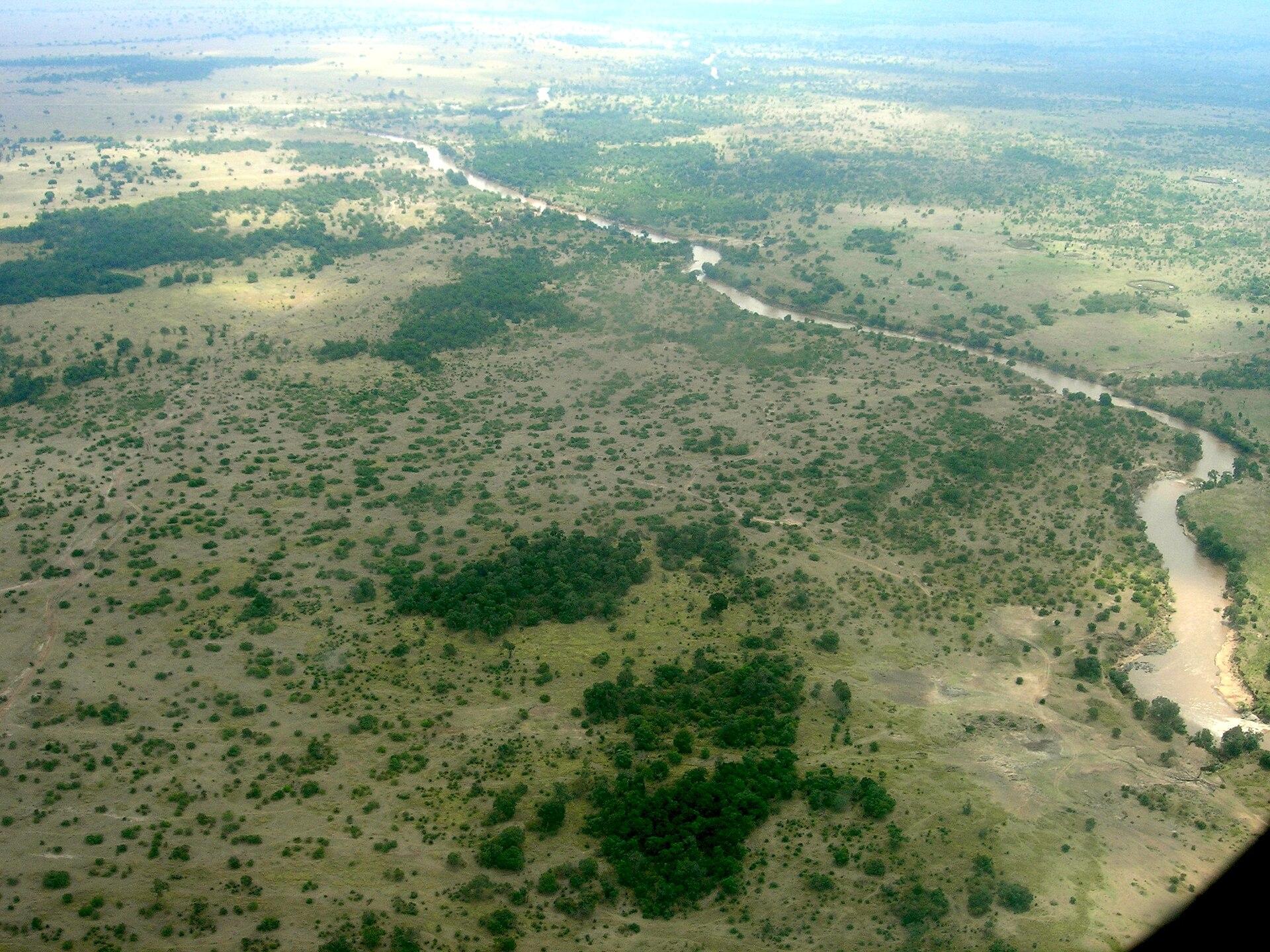
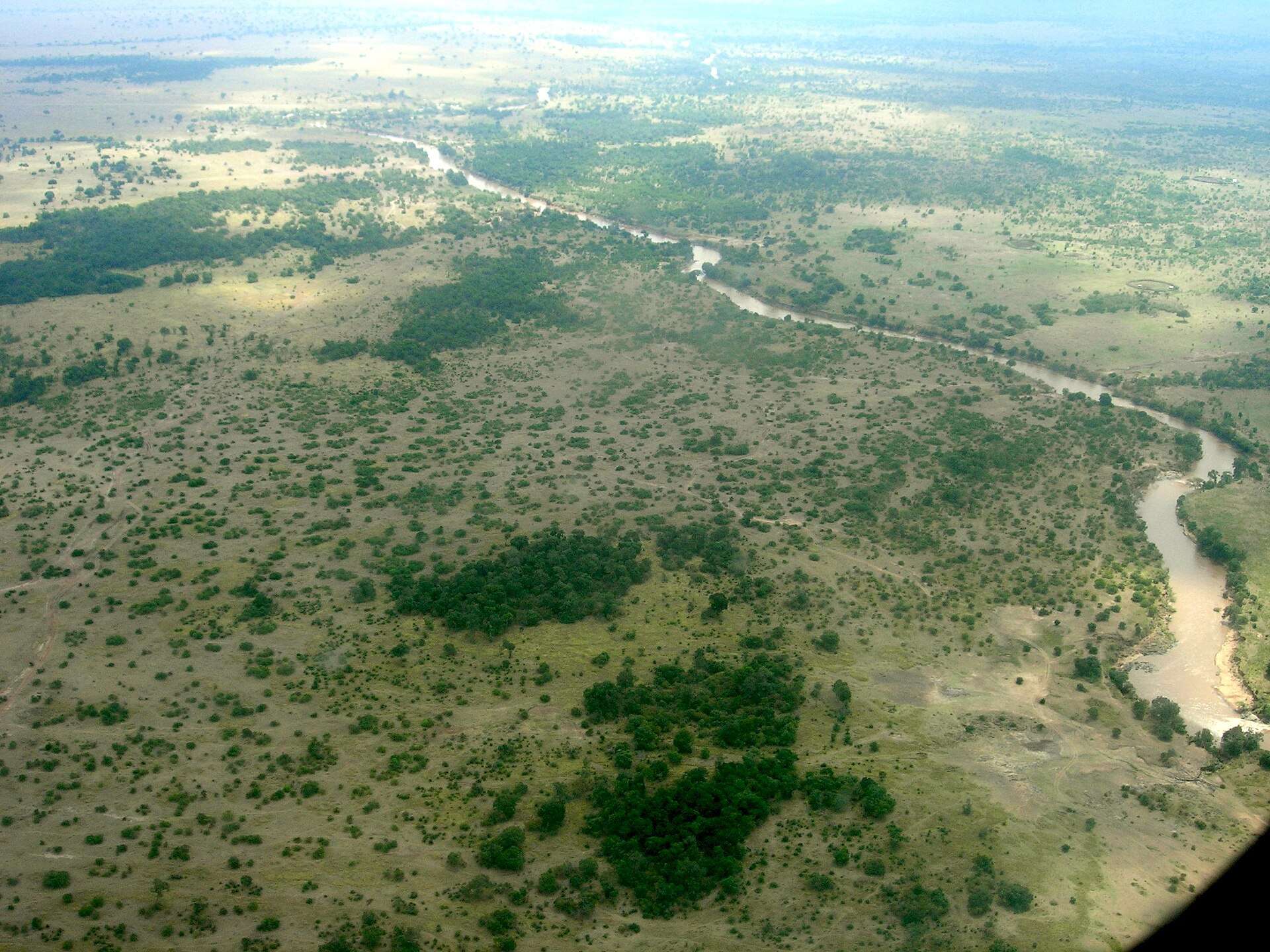
The Maasai Mara National Reserve covers about 1,510 square kilometres of rolling grassland in south-western Kenya and is the northern continuation of the Serengeti ecosystem - the animals do not recognise the border, and neither should an itinerary. Its reputation rests on two things. The first is the migration: between roughly July and October the wildebeest herds cross the Mara river into Kenya, and the crossings, with crocodiles waiting in the water, are the single most dramatic wildlife event in Africa. The second is that the Mara has the highest concentration of big cats in Kenya, and open, treeless country in which to see them - lion prides of twenty or more, cheetah on the termite mounds, and leopard along the riverine forest. The reserve is ringed by community conservancies - Naboisho, Olare Motorogi, Mara North, Ol Kinyei - leased from Maasai landowners, where vehicle numbers are capped, off-road driving and night drives are allowed, and the experience is quieter and often better than in the reserve itself.

Browse by category in Maasai Mara

Photos of Maasai Mara

Things to do in Maasai Mara

Places and experiences rather than companies. Each one carries the thing you would otherwise find out by turning up.

  • Mara River crossing points

    Wildlife

    Where the herds cross between July and October.

    Vehicles gather hours in advance and the herds may still not cross. Treat a crossing as a possibility rather than an itinerary item, and the days you do see one are extraordinary.

    5 hours

  • Balloon over the Mara

    Active

    Dawn flight across the reserve, landing for breakfast.

    Cheaper than the Serengeti equivalent and over denser game. Book from a camp inside the reserve — the launch is at first light and conservancy gates open later.

    4 hoursPaid

  • Maasai village visit

    Culture

    A manyatta visit arranged through a camp or conservancy.

    Quality varies enormously. Ones arranged through a conservancy usually return money to the community that owns the land; ones sold at the gate often do not. Ask which before you agree.

    2 hoursPaid

What Maasai Mara costs

All-in on the ground, per person per day, excluding international flights. Ranges rather than a single figure, because accommodation and group size move the total more than anything else.

Indicative daily cost per person for Maasai Mara, by travel style
StylePer person, per day
Camping or budget lodge, shared vehicle$180 – $260
Mid-range lodge$260 – $480
Luxury camp, private vehicle$700 – $1,600

Of that, $100 – $200 a day is government fees set by Narok County and the Mara conservancies. Every operator pays the same, so a quote below this floor is not a better deal — it is a different trip.

Add this to a whole-trip estimate

Indicative figures checked for 2026. Park fees are revised annually and some are quoted before VAT — confirm current rates with your operator or the park authority before you book.

When to visit Maasai Mara

Month by month: wildlife, weather and how busy it gets.

October

Peak season

The herds turn south; last crossings of the season.

Wildlife
Wildlife: 5 / 5
Weather
Weather: 3 / 5
Crowds
Crowds: 4 / 5
Rainfall
70 mm
Temperature
13–29 °C
Show all twelve months
When to visit Maasai Mara
Best time to visitWildlifeWeatherCrowdsRainfallTemperature
JanuaryDry season — good roads, thinner bush, animals gathering at water.Wildlife: 3 / 5Weather: 4 / 5Crowds: 3 / 550 mm13–29 °C
FebruaryDry season — good roads, thinner bush, animals gathering at water.Wildlife: 3 / 5Weather: 4 / 5Crowds: 3 / 550 mm13–30 °C
MarchWet month — expect rain most days, and lush, difficult country.Wildlife: 3 / 5Weather: 3 / 5Crowds: 2 / 5100 mm14–29 °C
AprilLong rains — some tracks impassable and some camps closed. Lowest prices.Wildlife: 3 / 5Weather: 2 / 5Crowds: 1 / 5170 mm14–27 °C
MayWet month — expect rain most days, and lush, difficult country.Wildlife: 3 / 5Weather: 2 / 5Crowds: 1 / 5130 mm13–27 °C
JuneDry season — good roads, thinner bush, animals gathering at water.Wildlife: 4 / 5Weather: 4 / 5Crowds: 3 / 540 mm11–26 °C
JulyPeak seasonThe herds arrive from the Serengeti; Mara crossings begin.Wildlife: 5 / 5Weather: 4 / 5Crowds: 5 / 525 mm10–25 °C
AugustPeak seasonPeak crossing month — and peak vehicle numbers.Wildlife: 5 / 5Weather: 4 / 5Crowds: 5 / 530 mm11–26 °C
SeptemberPeak seasonCrossings continue with slightly thinner crowds.Wildlife: 5 / 5Weather: 4 / 5Crowds: 5 / 535 mm12–28 °C
OctoberPeak seasonThe herds turn south; last crossings of the season.Wildlife: 5 / 5Weather: 3 / 5Crowds: 4 / 570 mm13–29 °C
NovemberWet month — expect rain most days, and lush, difficult country.Wildlife: 3 / 5Weather: 2 / 5Crowds: 2 / 5130 mm14–28 °C
DecemberShort rains — brief afternoon storms, green landscapes, fewer visitors.Wildlife: 3 / 5Weather: 3 / 5Crowds: 3 / 580 mm13–28 °C

Quieter alternatives to Maasai Mara

Maasai Mara is on nearly every itinerary, which is both why it is good and why it is busy. These are the places travellers choose when they want the same thing with fewer vehicles — each with what it costs you to go there instead.

  • Laikipia and Ol Pejeta

    Private conservancies, where walking safaris and night drives are permitted and the number of vehicles at a sighting is capped. Rhino here are a near-certainty rather than a lucky morning.

    The trade-off: Conservancy beds cost more per night than the equivalent inside a national reserve, and what you are buying is exclusivity rather than density. There is no migration, and big cats take more patience than they do in the Mara.

    Plan a trip to Laikipia and Ol Pejeta
  • Akagera National Park

    Savanna two and a half hours from Kigali on tarmac, with lion and rhino both reintroduced and now breeding. It turns a gorilla trip into a two-habitat trip without a second flight.

    The trade-off: Small by regional standards and nothing like the Mara for density — this is a park you give two nights, not a week. There is no migration, and predators are still a matter of luck.

    Plan a trip to Akagera National Park
  • Samburu National Reserve

    The northern species live here and nowhere south of it: Grevy’s zebra, reticulated giraffe, gerenuk standing on their hind legs to feed. On a second East African safari this is the list that is still unticked.

    The trade-off: Hot, dry and much smaller than the Mara, with game concentrated along one river rather than spread across plains. No crossings, and in a bad drought year the reserve is hard going.

    Plan a trip to Samburu National Reserve

Guides for Maasai Mara

Masai Mara or Serengeti? How to choose between them

They are one ecosystem split by a border. The Mara is smaller, denser and in 2026 costs up to US$200 a day in park fees; the Serengeti is ten times the size and charges US$70–83. Here is which one suits which trip.

9 min read

One request. Multiple quotes.

Request a Quote