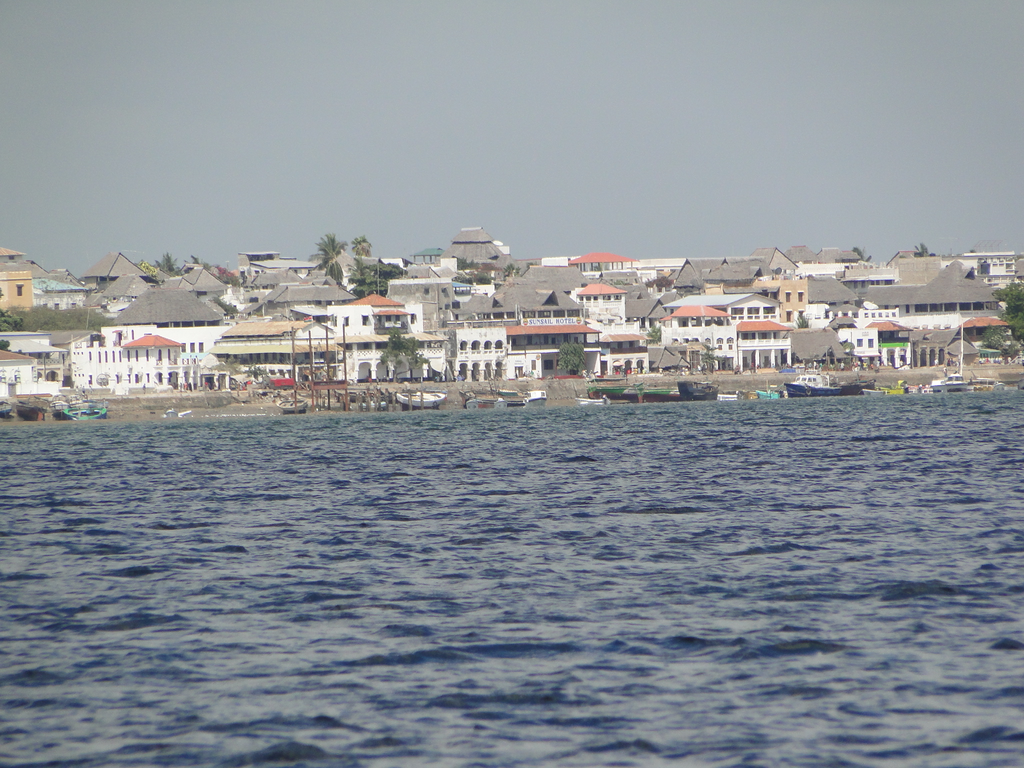
Lamu
A living Swahili town with no cars - donkeys, dhows and coral-stone houses, unchanged for centuries.
Overview
Lamu Old Town is the oldest continuously inhabited Swahili settlement in East Africa and a UNESCO World Heritage site, and it is remarkable less for any single monument than for the fact that it still functions as it always has. There are almost no vehicles on the island: transport is by donkey and by dhow, and the lanes between the coral-stone houses are too narrow for anything wider. The town is built of coral rag and mangrove poles, with carved doors, inner courtyards and rooftop terraces catching the sea breeze, and the rhythm of the day is set by the call to prayer and the tide. Shela village, 40 minutes' walk or a short boat ride south, has the beach - twelve kilometres of empty sand - and most of the guesthouses. Manda and Pate islands, the Takwa ruins and the Swahili ruins at Shanga are all short dhow trips. The Maulidi festival and the Lamu Cultural Festival draw visitors from across the region.
Browse by category in Lamu
Photos of Lamu
What Lamu costs
All-in on the ground, per person per day, excluding international flights. Ranges rather than a single figure, because accommodation and group size move the total more than anything else.
| Style | Per person, per day |
|---|---|
| Camping or budget lodge, shared vehicle | $60 – $110 |
| Mid-range lodge | $110 – $260 |
| Luxury camp, private vehicle | $300 – $750 |
Add this to a whole-trip estimate
Indicative figures checked for 2026. Park fees are revised annually and some are quoted before VAT — confirm current rates with your operator or the park authority before you book.
When to visit Lamu
Month by month: wildlife, weather and how busy it gets.
October
Short rains — brief afternoon storms, green landscapes, fewer visitors.
- Wildlife
- —
- Weather
- Weather: 4 / 5
- Crowds
- Crowds: 2 / 5
- Rainfall
- 90 mm
- Temperature
- 24–32 °C
Show all twelve monthsHide the full table
| Best time to visit | Wildlife | Weather | Crowds | Rainfall | Temperature |
|---|---|---|---|---|---|
| JanuaryPeak seasonPeak dry season — the best game viewing and the highest prices. | — | Weather: 5 / 5 | Crowds: 3 / 5 | 25 mm | 25–33 °C |
| FebruaryPeak dry season — the best game viewing and the highest prices. | — | Weather: 5 / 5 | Crowds: 3 / 5 | 20 mm | 25–34 °C |
| MarchShort rains — brief afternoon storms, green landscapes, fewer visitors. | — | Weather: 4 / 5 | Crowds: 2 / 5 | 60 mm | 26–34 °C |
| AprilLong rains — some tracks impassable and some camps closed. Lowest prices. | — | Weather: 2 / 5 | Crowds: 2 / 5 | 190 mm | 25–33 °C |
| MayLong rains — some tracks impassable and some camps closed. Lowest prices. | — | Weather: 1 / 5 | Crowds: 1 / 5 | 290 mm | 24–31 °C |
| JuneWet month — expect rain most days, and lush, difficult country. | — | Weather: 3 / 5 | Crowds: 2 / 5 | 110 mm | 23–30 °C |
| JulyShort rains — brief afternoon storms, green landscapes, fewer visitors. | — | Weather: 4 / 5 | Crowds: 3 / 5 | 80 mm | 22–30 °C |
| AugustShort rains — brief afternoon storms, green landscapes, fewer visitors. | — | Weather: 4 / 5 | Crowds: 3 / 5 | 70 mm | 22–30 °C |
| SeptemberShort rains — brief afternoon storms, green landscapes, fewer visitors. | — | Weather: 4 / 5 | Crowds: 2 / 5 | 70 mm | 23–31 °C |
| OctoberShort rains — brief afternoon storms, green landscapes, fewer visitors. | — | Weather: 4 / 5 | Crowds: 2 / 5 | 90 mm | 24–32 °C |
| NovemberMaulidi and the Lamu cultural festival season. | — | Weather: 3 / 5 | Crowds: 2 / 5 | 120 mm | 25–33 °C |
| DecemberPeak seasonShort rains — brief afternoon storms, green landscapes, fewer visitors. | — | Weather: 4 / 5 | Crowds: 4 / 5 | 80 mm | 25–33 °C |