Dar es Salaam · Tanzania
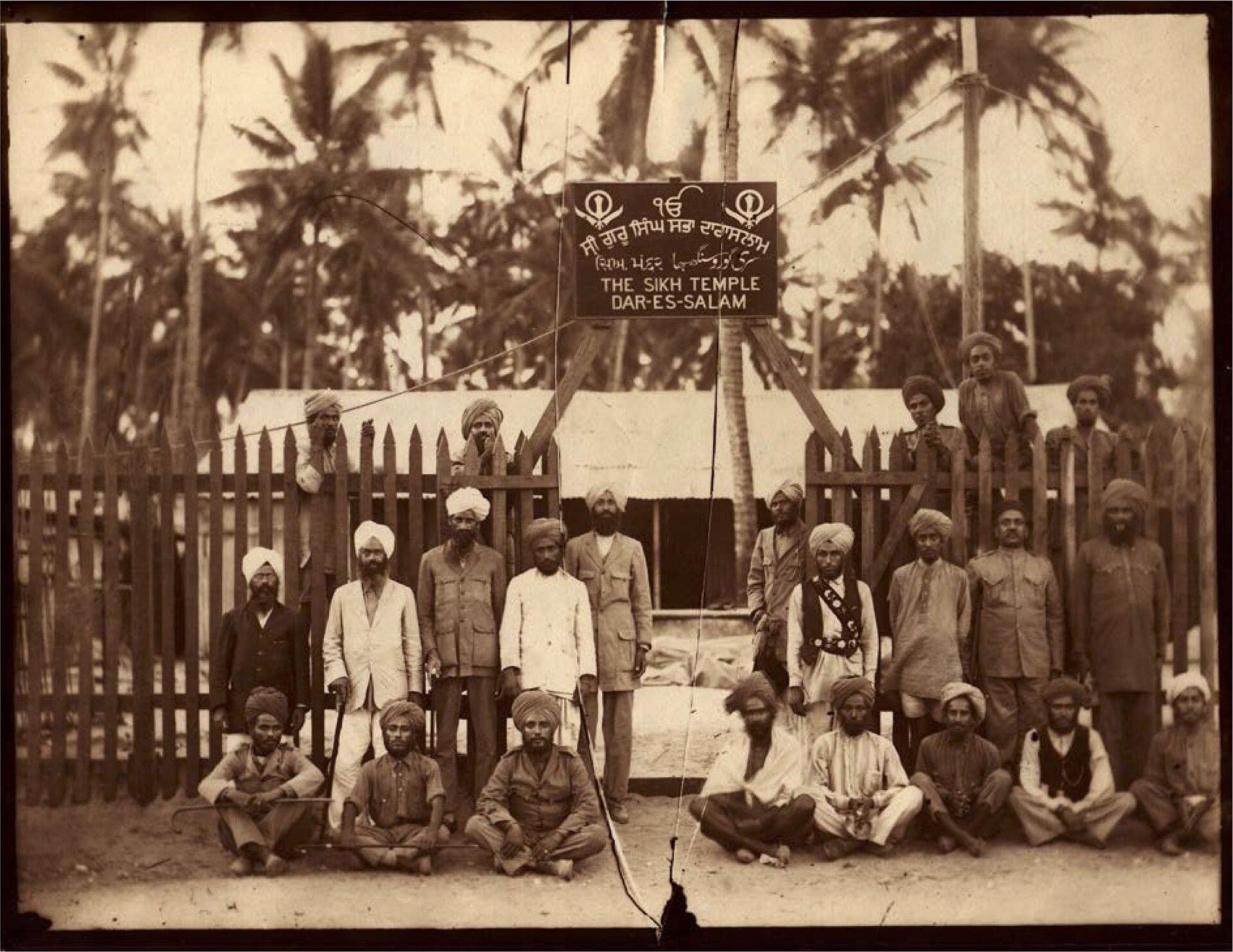
Dar es Salaam
Tanzania's largest city and main port - the gateway to Zanzibar and the southern parks.
Overview
Dar es Salaam is Tanzania's commercial capital and by far its largest city, a hot, humid, fast-growing port of some seven million people wrapped around a deep natural harbour. It is not the country's political capital - that moved to Dodoma - and it is rarely anyone's holiday destination in itself, but almost every traveller passes through it: the ferry to Zanzibar leaves from here, the light aircraft to Nyerere and Ruaha fly from here, and it is the terminus of the TAZARA railway. What the city does have is worth a day. The National Museum holds the Olduvai hominid fossils; the Village Museum shows traditional dwellings from across the country; the fish market at Kivukoni is at its best just after dawn; and the Kariakoo market is one of the great commercial spaces of East Africa. For a beach, the Msasani peninsula is closest, and the Bongoyo and Mbudya islands are half an hour offshore. South of the city, Kigamboni and Ras Kutani offer quiet stretches of sand within an hour of the airport.
Browse by category in Dar es Salaam
Photos of Dar es Salaam
Where these are, around Dar es Salaam
60 listings with a mapped location.
Map of 60 listings
- Listed
- Placed from the town
When to visit Dar es Salaam
Month by month: wildlife, weather and how busy it gets.
October
Short rains — brief afternoon storms, green landscapes, fewer visitors.
- Wildlife
- —
- Weather
- Weather: 4 / 5
- Crowds
- Crowds: 3 / 5
- Rainfall
- 90 mm
- Temperature
- 23–32 °C
Show all twelve monthsHide the full table
| Best time to visit | Wildlife | Weather | Crowds | Rainfall | Temperature |
|---|---|---|---|---|---|
| JanuaryShort rains — brief afternoon storms, green landscapes, fewer visitors. | — | Weather: 4 / 5 | Crowds: 3 / 5 | 70 mm | 24–33 °C |
| FebruaryShort rains — brief afternoon storms, green landscapes, fewer visitors. | — | Weather: 4 / 5 | Crowds: 3 / 5 | 60 mm | 24–34 °C |
| MarchWet month — expect rain most days, and lush, difficult country. | — | Weather: 3 / 5 | Crowds: 2 / 5 | 140 mm | 24–33 °C |
| AprilLong rains — some tracks impassable and some camps closed. Lowest prices. | — | Weather: 1 / 5 | Crowds: 2 / 5 | 320 mm | 23–32 °C |
| MayLong rains — some tracks impassable and some camps closed. Lowest prices. | — | Weather: 2 / 5 | Crowds: 2 / 5 | 240 mm | 22–31 °C |
| JuneDry season — good roads, thinner bush, animals gathering at water. | — | Weather: 4 / 5 | Crowds: 3 / 5 | 50 mm | 21–30 °C |
| JulyPeak dry season — the best game viewing and the highest prices. | — | Weather: 5 / 5 | Crowds: 4 / 5 | 40 mm | 21–30 °C |
| AugustPeak dry season — the best game viewing and the highest prices. | — | Weather: 5 / 5 | Crowds: 4 / 5 | 45 mm | 21–30 °C |
| SeptemberPeak dry season — the best game viewing and the highest prices. | — | Weather: 5 / 5 | Crowds: 3 / 5 | 50 mm | 22–31 °C |
| OctoberShort rains — brief afternoon storms, green landscapes, fewer visitors. | — | Weather: 4 / 5 | Crowds: 3 / 5 | 90 mm | 23–32 °C |
| NovemberLong rains — some tracks impassable and some camps closed. Lowest prices. | — | Weather: 2 / 5 | Crowds: 2 / 5 | 200 mm | 24–33 °C |
| DecemberPeak seasonWet month — expect rain most days, and lush, difficult country. | — | Weather: 3 / 5 | Crowds: 4 / 5 | 140 mm | 24–33 °C |