
Western · Uganda
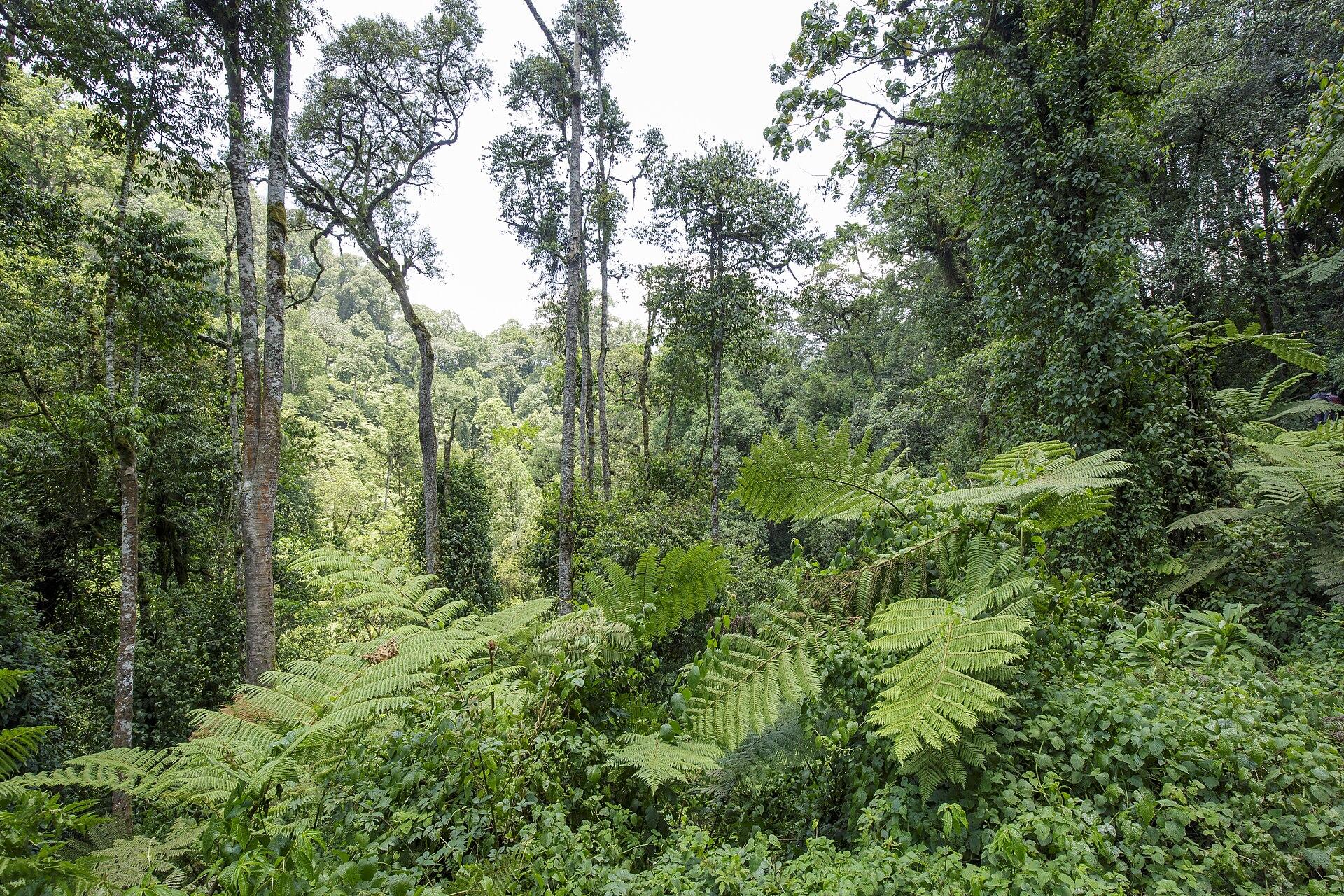
Ancient montane rainforest holding almost half the world's remaining mountain gorillas.
Bwindi is a 331-square-kilometre block of Afromontane rainforest on the edge of the Albertine Rift, and it is one of the very few African forests that survived the last ice age intact - which is why its biodiversity is so unusually rich. It holds around 460 mountain gorillas, close to half of the global population, across more than twenty habituated families available for trekking. A gorilla permit costs 800 US dollars and buys one hour with a family; the trek to reach them can be anything from one to seven hours through steep, muddy, genuinely impenetrable forest. It is difficult, and it is also, by almost universal agreement, worth every shilling and every step. Beyond the gorillas the park holds 350 bird species including 23 Albertine Rift endemics, eleven primate species, and forest elephant. The four trailheads - Buhoma in the north, Ruhija in the east, Rushaga and Nkuringo in the south - are hours apart by road, so your permit sector determines where you stay.
Western · Uganda
Places and experiences rather than companies. Each one carries the thing you would otherwise find out by turning up.
One habituated family, one hour with them, permits limited daily.
The permit is US$800 and the walk can be anything from one hour to seven — the gorillas move overnight. Hire a porter: it costs about US$20, makes the climb far easier, and is the main local income from the park.
Half a dayPaid
Forest skills and history from the people displaced when the park was gazetted.
Worth knowing the context: the Batwa lived in this forest and were moved out in 1991 when it became a national park, with no land granted in exchange.
3 hoursPaid
1 listings with a mapped location.
All-in on the ground, per person per day, excluding international flights. Ranges rather than a single figure, because accommodation and group size move the total more than anything else.
| Style | Per person, per day |
|---|---|
| Camping or budget lodge, shared vehicle | $250 – $350 |
| Mid-range lodge | $350 – $600 |
| Luxury camp, private vehicle | $700 – $1,500 |
Of that, $40 – $60 a day is government fees set by Uganda Wildlife Authority. Every operator pays the same, so a quote below this floor is not a better deal — it is a different trip.
Gorilla trekking permit, per person: $800
Add this to a whole-trip estimate
Indicative figures checked for 2026. Park fees are revised annually and some are quoted before VAT — confirm current rates with your operator or the park authority before you book.
Month by month: wildlife, weather and how busy it gets.
Long rains — some tracks impassable and some camps closed. Lowest prices.
| Best time to visit | Wildlife | Weather | Crowds | Rainfall | Temperature |
|---|---|---|---|---|---|
| JanuaryPeak seasonDrier trails and firm ground — the easiest trekking of the year. | Wildlife: 5 / 5 | Weather: 4 / 5 | Crowds: 4 / 5 | 70 mm | 11–24 °C |
| FebruaryPeak seasonShort rains — brief afternoon storms, green landscapes, fewer visitors. | Wildlife: 5 / 5 | Weather: 4 / 5 | Crowds: 4 / 5 | 80 mm | 11–24 °C |
| MarchWet month — expect rain most days, and lush, difficult country. | Wildlife: 5 / 5 | Weather: 3 / 5 | Crowds: 3 / 5 | 130 mm | 11–23 °C |
| AprilThe gorillas are still here — the mud is the only difference, and permits are the same price. | Wildlife: 5 / 5 | Weather: 2 / 5 | Crowds: 2 / 5 | 180 mm | 11–22 °C |
| MayLong rains — some tracks impassable and some camps closed. Lowest prices. | Wildlife: 5 / 5 | Weather: 2 / 5 | Crowds: 2 / 5 | 150 mm | 11–22 °C |
| JunePeak seasonShort rains — brief afternoon storms, green landscapes, fewer visitors. | Wildlife: 5 / 5 | Weather: 4 / 5 | Crowds: 4 / 5 | 60 mm | 10–23 °C |
| JulyPeak seasonPeak season; permits sell out months ahead. | Wildlife: 5 / 5 | Weather: 5 / 5 | Crowds: 5 / 5 | 60 mm | 10–23 °C |
| AugustPeak seasonShort rains — brief afternoon storms, green landscapes, fewer visitors. | Wildlife: 5 / 5 | Weather: 4 / 5 | Crowds: 5 / 5 | 90 mm | 10–23 °C |
| SeptemberWet month — expect rain most days, and lush, difficult country. | Wildlife: 5 / 5 | Weather: 3 / 5 | Crowds: 3 / 5 | 130 mm | 11–23 °C |
| OctoberLong rains — some tracks impassable and some camps closed. Lowest prices. | Wildlife: 5 / 5 | Weather: 2 / 5 | Crowds: 2 / 5 | 160 mm | 11–22 °C |
| NovemberWet month — expect rain most days, and lush, difficult country. | Wildlife: 5 / 5 | Weather: 2 / 5 | Crowds: 2 / 5 | 140 mm | 11–22 °C |
| DecemberPeak seasonWet month — expect rain most days, and lush, difficult country. | Wildlife: 5 / 5 | Weather: 3 / 5 | Crowds: 4 / 5 | 100 mm | 11–23 °C |
Bwindi Impenetrable National Park is on nearly every itinerary, which is both why it is good and why it is busy. These are the places travellers choose when they want the same thing with fewer vehicles — each with what it costs you to go there instead.
Gorillas and golden monkeys on the same volcano slopes, with a fraction of Bwindi’s permit competition and open terrain far kinder to walk than the Impenetrable Forest’s name suggests.
The trade-off: One habituated family, which sometimes crosses into Rwanda or the DRC — when it does, trekking stops and permits are refunded rather than rescheduled. Plan it as a bonus, not as the reason for the trip.
Plan a trip to Mgahinga Gorilla National Park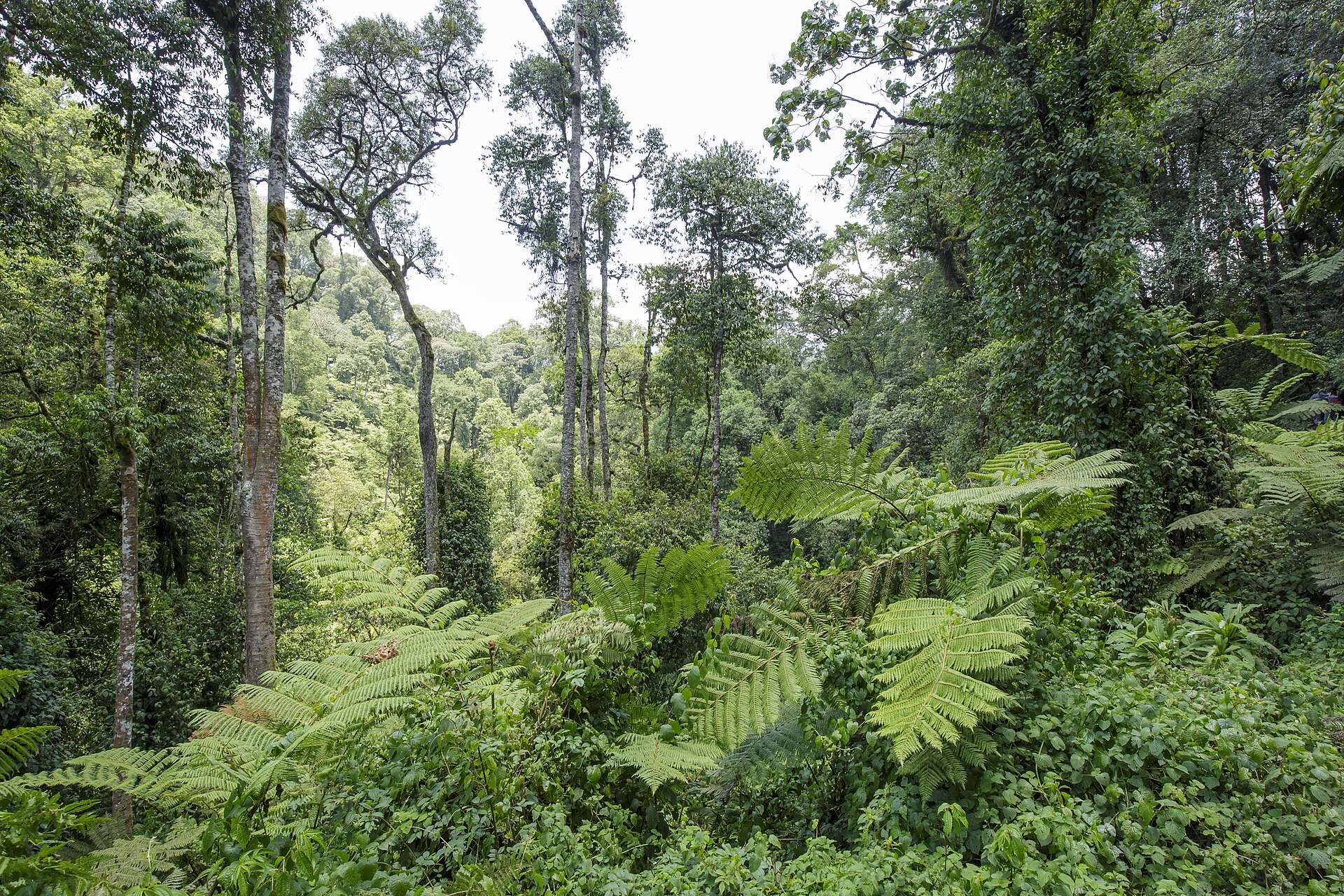
The same animals, an hour with them either way, and a US$700 difference in the permit. Uganda charges US$800 and Rwanda US$1,500 in 2026 — what that money actually buys you.