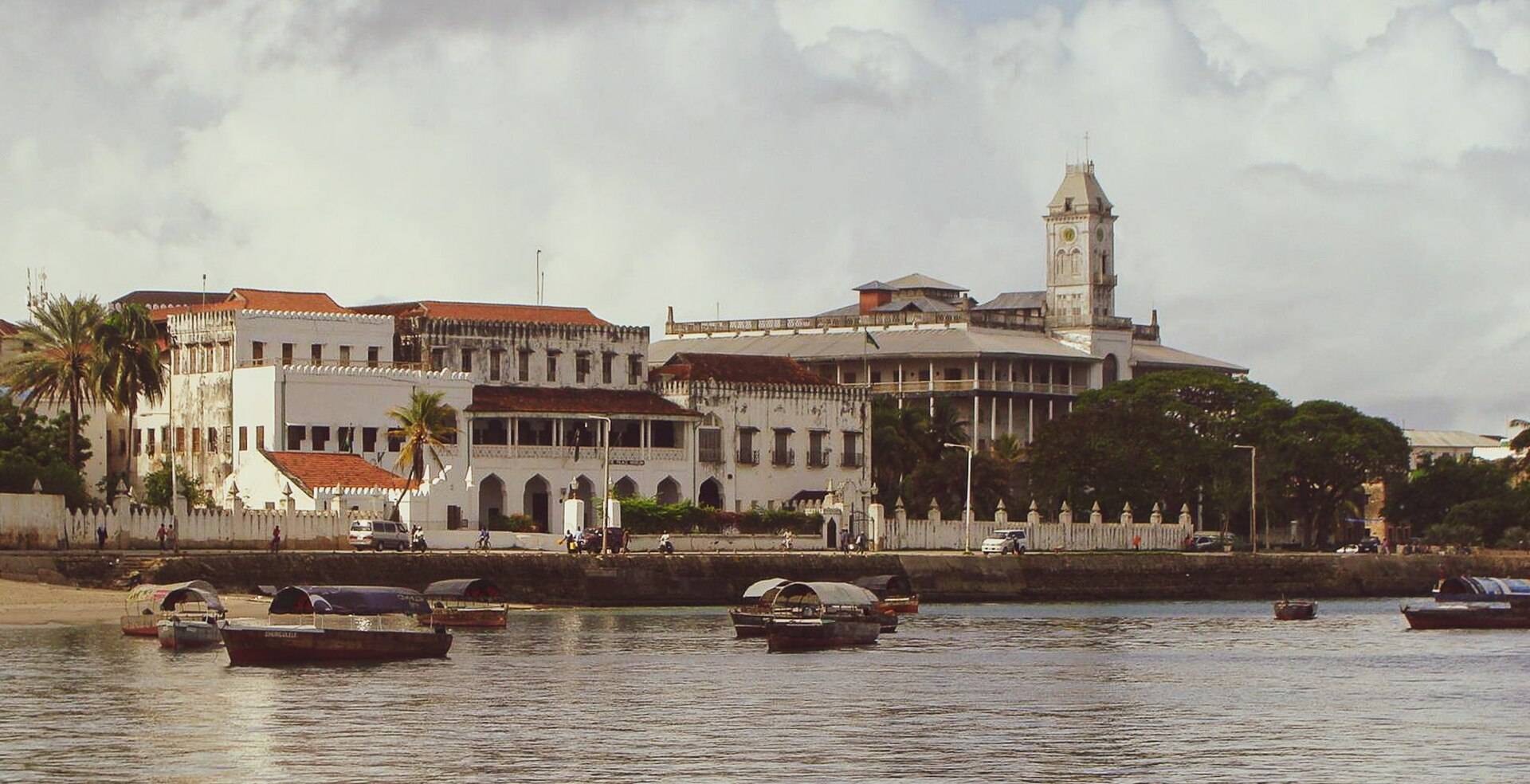
Safari and Zanzibar in one trip: which half comes first
Most Tanzania itineraries combine both. Which order actually works, how many days each half needs — and why your malaria prophylaxis has a say in the planning.
Katika ukurasa huu
Short version: safari first, Zanzibar second. Seven to ten days on safari, then four to seven on the coast. The reverse works, but less well — getting up at 05:30 for a game drive after a week of doing nothing is noticeably harder than the other way round.
Why the order matters
The safari is the demanding half. Early starts, long drives on corrugated roads, dust. The beach afterwards is recovery, and you go home rested rather than wrung out.
The flights fit. Most long-haul connections land at Kilimanjaro (JRO), which is where the northern circuit begins. From Zanzibar you fly home directly or via Dar es Salaam. Done in the other order you usually pay for one extra domestic flight.
Weather. Both halves share the same seasons, but the coast is more humid. After the dry heat of the Serengeti that feels pleasant; in reverse, the safari feels dustier than it otherwise would.
How many days each half needs
Safari: five at the absolute minimum, better seven or eight. Four days will show you Ngorongoro and Tarangire, but the Serengeti becomes a rush. Seven fits the Serengeti, Ngorongoro, Tarangire and a spare day.
Zanzibar: four to seven. Two nights in Stone Town, the rest on the north-east or east coast. Fewer than four does not justify the transfer.
Twelve to sixteen days in total. Below that it is cramped; above it, many people find the beach half starts to drag.
The changeover
Arusha to Zanzibar is a flight — direct or via Dar es Salaam, a little over an hour in the air. The overland alternative takes two days and only makes sense if the journey is itself the point.
Budget the transfer day as a transfer day. A morning flight costs you half a day on the beach; an afternoon one costs a whole day.
Malaria prophylaxis has a say in this
This is the part that gets missed. The coast and Zanzibar are malaria areas, in places at higher risk than the highlands of the northern circuit. Your prophylaxis has to cover the whole trip and the required period after you get home — not just the safari.
Stopping the course once the safari is over, on the grounds that the animals are done, is exactly the mistake travel health professionals warn about. Take the full route into your appointment, not just the first half of it.
Alternatives to Zanzibar
Zanzibar has become busy. For the same effort there are quieter options:
- Pemba — Zanzibar's green sister, wall diving, very few visitors.
- Mafia Island — a marine park, whale sharks in season, very little tourism.
- The coast around Pangani — reachable from the mainland, which saves the flight.
- Diani Beach in Kenya, if your safari finishes in the Masai Mara.
The planning mistakes people actually make
- Too few safari days and too much beach. There is a beach everywhere in the world. There is one Serengeti.
- Counting travel days as safari days. Ask how many days are actually spent inside a park.
- Leaving no gap between the last domestic flight and the flight home. Bush flights move. A buffer night in Zanzibar or Dar es Salaam before a long-haul departure is money well spent.
Routes and frequencies change with the season. The order and the split of days do not.